Salivary Gland Tumours
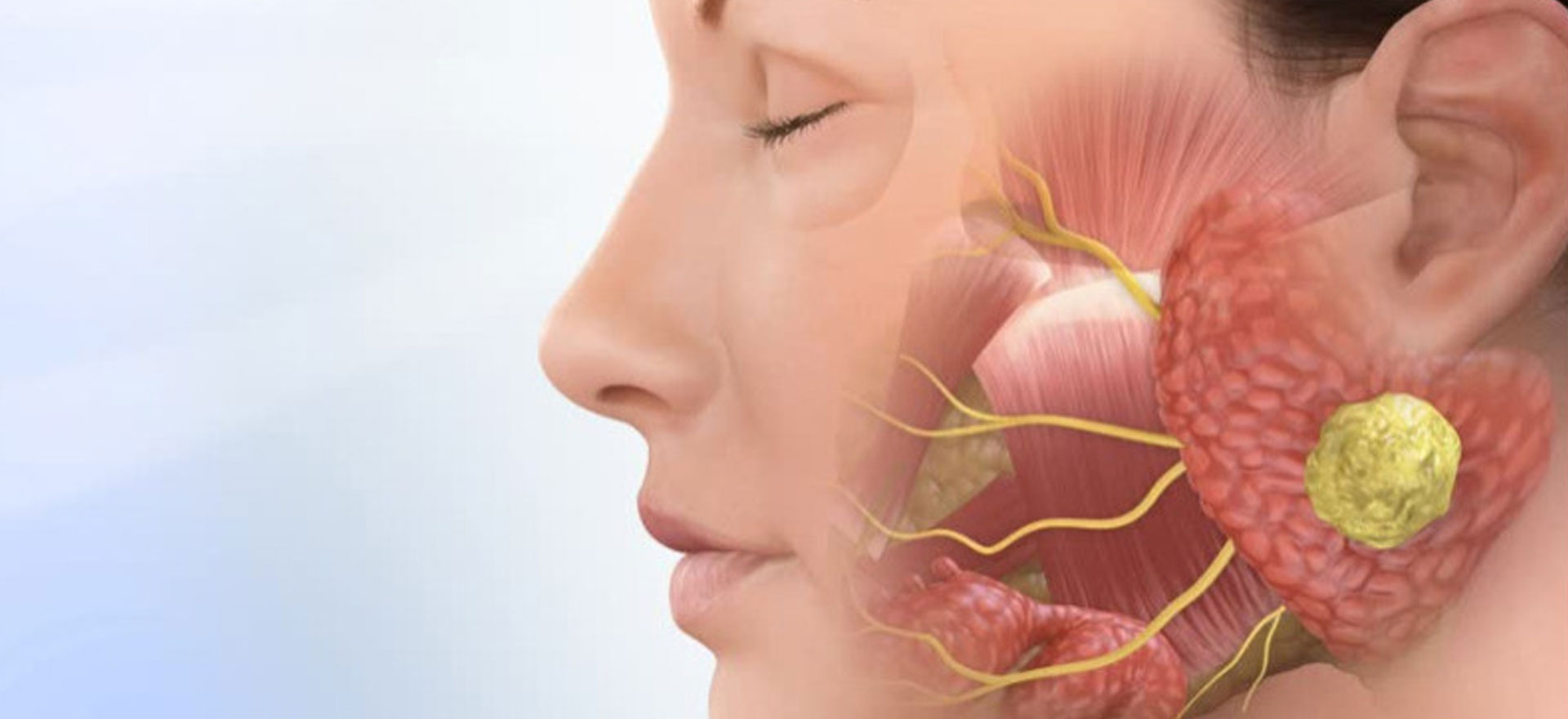
Salivary gland tumours are abnormal growths that develop in the salivary glands, most commonly affecting the parotid, submandibular, or minor salivary glands. These tumours may be benign or malignant and require accurate diagnosis and specialized surgical management. Advanced techniques help ensure complete tumor removal while preserving facial nerve function and maintaining normal gland activity.
Conditions Treated
- Benign salivary gland tumours
- Malignant salivary gland cancers
- Parotid gland tumours
- Submandibular gland tumours
- Minor salivary gland tumours
Symptoms
- Swelling or lump near jaw, cheek, or neck
- Pain in the affected area
- Facial numbness or weakness
- Difficulty opening the mouth
- Facial asymmetry
Causes
- Genetic mutations
- Radiation exposure
- Environmental factors
- Viral infections
- Lifestyle-related risk factors
Treatment
- Surgical removal of tumour
- Parotidectomy or gland excision
- Facial nerve preservation techniques
- Reconstruction if required
- Multidisciplinary cancer care including radiotherapy
Benefits
- Complete tumour removal with precision
- Preservation of facial nerve function
- Reduced risk of recurrence
- Improved facial symmetry and function
- Better quality of life
Prevention
- Avoid unnecessary radiation exposure
- Maintain a healthy lifestyle
- Early evaluation of any swelling or lump
- Regular health check-ups
- Timely diagnosis and treatment