Dr. Rathan Shetty
Senior Consultant Head & Neck Surgical Oncology
MS, FHNS, MCh (Head & Neck Surgical oncology)
Our Services
// Areas of Expertise //
Head and Neck Surgical Oncologist in Kharghar
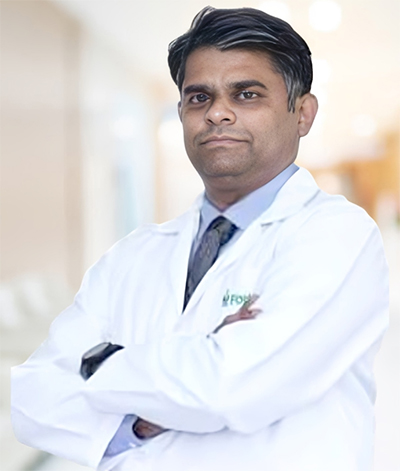
Dr. Rathan Shetty is a Senior Consultant Head & Neck Surgical Oncologist at ACTREC, Tata Memorial Centre, Navi Mumbai, offering the full spectrum of head and neck cancer surgical care — from early-stage diagnosis to complex re-operative surgery. Every treatment plan is built around three core principles: oncologic precision, functional preservation, and patient-centred care.
Advanced & Re-operative Head and Neck Cancer Surgery in Kharghar
Advanced and recurrent head and neck cancers represent some of the most challenging surgical cases in oncology. Tumors that have grown extensively, invaded critical structures, or returned after prior treatment require a surgeon with deep specialized expertise and the ability to make complex intraoperative decisions.
Dr. Rathan Shetty has extensive experience managing these high-complexity cases, including re-operative surgery in previously irradiated or operated fields where scarring, altered anatomy, and compromised tissue vascularity significantly increase surgical risk. His training at Tata Memorial Centre — one of Asia's foremost oncology institutions — has equipped him with the skills to achieve complete tumor clearance even in the most demanding scenarios.
Key Procedures Include:
- Extended resections for locally advanced tumors invading the skull base, carotid, or mandible
- Re-operative salvage surgery for recurrent cancers after radiation or prior surgery
- Neck dissection (selective, modified radical, and radical) for lymph node management
- Reconstructive procedures using pedicled and free flaps to restore form and function
- Composite resections including mandibulectomy and maxillectomy

Oral Cavity, Oropharyngeal, Laryngeal & Hypopharyngeal Cancers Treatment in Kharghar
Cancers of the oral cavity (mouth), oropharynx (back of the throat), larynx (voice box), and hypopharynx (lower throat) collectively account for a significant proportion of head and neck malignancies in India. Tobacco use, alcohol consumption, and HPV infection are among the primary contributing risk factors.
Dr. Rathan Shetty provides comprehensive surgical management for all these cancer sites, with a strong emphasis on preserving speech, swallowing, and airway function while achieving complete oncologic clearance.
Treatment Highlights:
- Wide local excision and partial / total glossectomy for tongue and floor-of-mouth cancers
- Transoral laser microsurgery (TLM) and robotic surgery for oropharyngeal and laryngeal tumors
- Partial and total laryngectomy with voice rehabilitation options
- Neck dissection for lymph node management
- Reconstruction of oral cavity defects using flaps to restore eating and speech
Thyroid & Parathyroid Surgery in Kharghar
Thyroid disorders — ranging from benign goiters and nodules to thyroid cancers — are among the most common endocrine conditions encountered in clinical practice. The parathyroid glands, four tiny glands adjacent to the thyroid, regulate calcium metabolism and can develop tumors that cause hypercalcemia and systemic complications.
Dr. Rathan Shetty performs a full range of thyroid and parathyroid surgical procedures with expert attention to preserving the recurrent laryngeal nerve (which controls the vocal cords) and the parathyroid glands — the two most critical structures at risk during thyroid surgery.
Conditions Treated:
- Differentiated thyroid cancers (papillary and follicular) — total thyroidectomy with or without neck dissection
- Medullary and anaplastic thyroid cancers — requiring extensive surgical clearance
- Goiter and thyroid nodule management — hemithyroidectomy or total thyroidectomy
- Parathyroid adenoma — minimally invasive parathyroidectomy for primary hyperparathyroidism
- Re-operative thyroid and parathyroid surgery for recurrent disease
Intraoperative nerve monitoring (IONM) is utilized during all thyroid procedures to enhance safety and reduce the risk of voice changes after surgery.
Learn More Best Doctor in Kharghar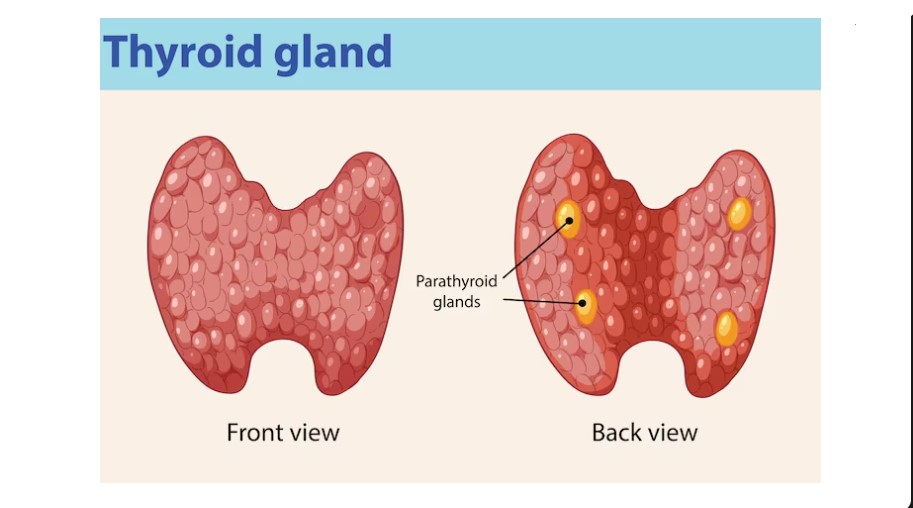
Salivary Gland Tumours Treatment in Kharghar
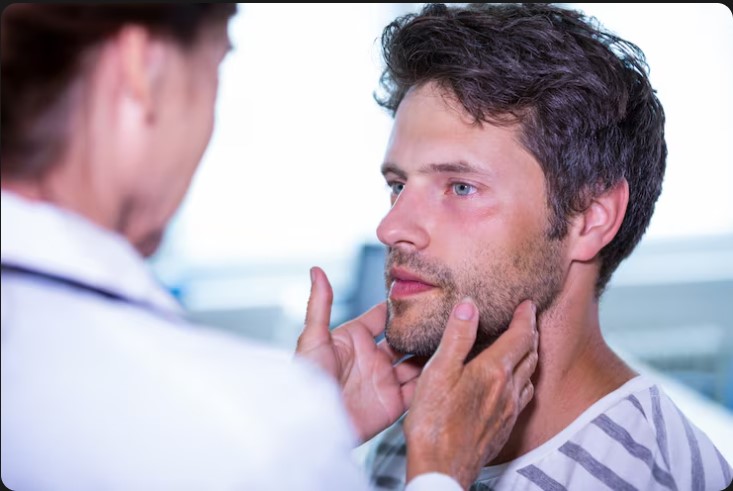
The parotid, submandibular, and sublingual glands — along with hundreds of minor salivary glands — can develop a wide variety of tumors, both benign and malignant. Approximately 60–70% of salivary gland tumors are benign, with pleomorphic adenoma being the most common. Malignant types such as mucoepidermoid carcinoma and adenoid cystic carcinoma require prompt, expert management.
The most significant surgical challenge in parotid surgery is the facial nerve, which runs directly through the parotid gland. Damage to this nerve can result in permanent facial weakness or paralysis. Dr. Rathan Shetty's meticulous facial nerve-preserving technique, combined with intraoperative nerve monitoring, ensures the highest possible safety during parotid surgery.
Surgical Services:
- Superficial and total parotidectomy with facial nerve preservation
- Submandibular gland excision
- Minor salivary gland tumor excision
- Neck dissection for malignant salivary gland cancers with nodal spread
- Postoperative radiation coordination for malignant cases
Laryngology & Voice-Preserving Surgery in Kharghar
The larynx (voice box) serves three vital functions: breathing, voice production, and protecting the airway during swallowing. Laryngeal diseases — ranging from vocal cord nodules and polyps to early and advanced laryngeal cancer — can severely impair these functions and impact quality of life.
Dr. Rathan Shetty's laryngology practice combines state-of-the-art diagnostic endoscopy with advanced surgical techniques to treat laryngeal conditions while maximizing voice and swallowing preservation. His expertise in transoral laser microsurgery (TLM) allows many laryngeal cancers to be treated through the mouth — without any external incision.
Services Offered:
- Transoral laser microsurgery (TLM) for early laryngeal cancer
- Partial laryngectomy (voice-preserving) for selected advanced cases
- Total laryngectomy with voice prosthesis rehabilitation for advanced cancers
- Microlaryngoscopy for benign vocal cord lesions (nodules, polyps, cysts, papillomas)
- Management of voice and swallowing disorders including post-treatment rehabilitation
- Tracheostomy management and decannulation protocols
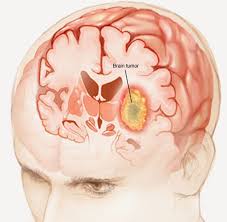
Skull Base & Sinonasal Malignancies Treatment in Kharghar
Skull base tumors and sinonasal malignancies are among the most anatomically complex conditions in head and neck surgical oncology. These tumors arise in the nasal cavity, paranasal sinuses, and the bony base of the skull — in close proximity to the brain, eye sockets, cranial nerves, and major blood vessels. Their management demands a multidisciplinary team and a surgeon with specialized skull base training.
Dr. Rathan Shetty has dedicated training and hands-on expertise in both anterior and lateral skull base surgery, working collaboratively with neurosurgery and ophthalmology teams for composite resections when required.
Conditions Managed:
- Squamous cell carcinoma of the nasal cavity and paranasal sinuses
- Esthesioneuroblastoma (olfactory neuroblastoma)
- Adenoid cystic carcinoma and sinonasal undifferentiated carcinoma
- Anterior skull base tumors with intracranial extension — craniofacial resection
- Endoscopic endonasal approaches for selected skull base lesions
- Lateral skull base surgery including temporal bone resection
Minimally Invasive, Endoscopic & Robotic Head & Neck Surgery in Kharghar
The evolution of surgical technology has transformed head and neck cancer treatment. Minimally invasive techniques — including endoscopic surgery and robotic-assisted procedures — now allow many tumors to be removed with precision through small or even natural orifice access points, without the need for large external incisions.
Dr. Rathan Shetty is trained in the latest minimally invasive and robotic surgical platforms and applies these techniques wherever they offer genuine patient benefit, including Transoral Robotic Surgery (TORS) for oropharyngeal and supraglottic tumors.
Patient Benefits:
- No or minimal external scars — cosmetically superior outcomes
- Significantly reduced blood loss and lower complication rates
- Shorter hospital stay and faster return to daily activities
- Enhanced 3D visualization and tremor-free precision with robotic assistance
- Better preservation of swallowing and voice function
- Equally effective oncologic outcomes as open surgery for appropriate cases
Procedures Performed:
- Transoral Robotic Surgery (TORS) for oropharyngeal and supraglottic tumors
- Transoral Laser Microsurgery (TLM) for laryngeal and pharyngeal tumors
- Endoscopic skull base surgery through nasal passages
- Minimally invasive thyroid surgery
// Kharghar Specialist Pages //
Find the Right Specialist in Kharghar
// Patient Questions //
Frequently Asked Questions
Common questions about head and neck cancer services, surgical procedures, and what to expect at your consultation with Dr. Rathan Shetty.
Dr. Rathan Shetty treats a comprehensive range of head and neck cancers including oral cavity cancers, oropharyngeal cancers, laryngeal and hypopharyngeal cancers, thyroid and parathyroid tumors, salivary gland tumors, skull base and sinonasal malignancies, and recurrent or re-operative head and neck cancers. He also manages benign head and neck conditions such as thyroid nodules, vocal cord lesions, and benign salivary gland tumors.
Yes. Dr. Rathan Shetty is skilled in minimally invasive, endoscopic, and robotic surgical techniques for appropriate head and neck cancer cases. These approaches include Transoral Robotic Surgery (TORS) and Transoral Laser Microsurgery (TLM), which offer smaller incisions, reduced recovery time, and improved cosmetic and functional outcomes compared to traditional open surgery.
Benign tumors are non-cancerous and do not spread to other parts of the body, though they may still require surgical removal if they grow or compress surrounding structures. Malignant tumors are cancerous and can invade nearby tissue or spread to lymph nodes and distant organs. Malignant cases typically require a combination of surgery, radiation therapy, and sometimes chemotherapy, managed through a multidisciplinary oncology team.
Yes. Functional preservation is a core priority in Dr. Rathan Shetty's surgical philosophy. Through advanced techniques such as transoral laser microsurgery, robotic surgery, and voice-preserving laryngeal procedures, the goal is to achieve complete tumor removal while protecting speech, swallowing, and facial function wherever oncologically safe. Post-treatment rehabilitation, including voice prosthesis fitting and swallowing therapy, is also coordinated as part of comprehensive care.
The choice between surgery, radiation, chemotherapy, or a combination depends on the cancer type, its stage and precise location, involvement of lymph nodes, and the patient's overall health and functional priorities. Dr. Rathan Shetty conducts a thorough clinical and imaging-based evaluation and presents all treatment options clearly, ensuring patients can make an informed decision with full multidisciplinary team support.
Yes. Dr. Shetty has specialized expertise in advanced and re-operative head and neck cancer surgery — cases where patients have previously undergone surgery or radiation and have experienced recurrence or residual disease. These are among the most technically demanding cases in surgical oncology and require the level of experience that Dr. Shetty has developed through his training and academic work at Tata Memorial Centre, Mumbai.
During your first consultation, Dr. Shetty will review your medical history and any prior reports or imaging, perform a thorough clinical examination of the head and neck, and explain his findings in clear, understandable terms. He will outline the next diagnostic steps required and discuss all available treatment options transparently — without rushed decisions. Patients are encouraged to bring a family member and any previous reports or scans to the appointment.
Ready to Take the Next Step?
Schedule a consultation with Dr. Rathan Shetty — Senior Consultant Head & Neck Surgical Oncologist, Navi Mumbai.
Book an Appointment +91 8828291749