Dr. Rathan Shetty
Senior Consultant Head & Neck Surgical Oncology
MS, FHNS, MCh (Head & Neck Surgical oncology)
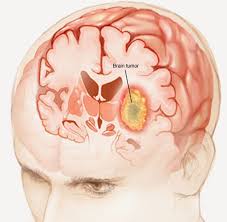
Advanced Skull Base Tumour Care in Kharghar
Skull base tumours are among the most technically demanding conditions in surgical oncology. Located at the undersurface of the brain and the top of the nasal cavity, these tumours are in close proximity to critical structures — the optic nerves, carotid arteries, brainstem, and cranial nerves — making their treatment a true test of surgical precision and oncologic expertise.
For patients in Navi Mumbai seeking expert care, Dr. Rathan Shetty stands out as the best doctor for skull base tumour treatment in Kharghar. As a Senior Consultant Head & Neck Surgical Oncologist with qualifications of MS, FHNS, and MCh in Head & Neck Surgical Oncology, Dr. Shetty brings a rare combination of technical skill, multidisciplinary collaboration, and patient-focused care to every case.
What Are Skull Base Tumours?
The skull base is the complex bony floor that separates the brain from the structures of the face and neck. Tumours arising in this region can originate from a variety of tissues — bone, nerves, blood vessels, cartilage, the nasal and sinus lining, or even extend upward from the throat and neck.
Skull base tumours are broadly categorised as benign or malignant. While benign tumours do not spread to other parts of the body, they can still cause significant problems due to compression of nearby neural structures. Malignant skull base tumours, such as sinonasal carcinomas, adenoid cystic carcinomas, and esthesioneuroblastomas, carry additional risks of local invasion and distant spread.
Common Types of Skull Base and Sinonasal Tumours
- Sinonasal Squamous Cell Carcinoma — Most common malignant tumour of the nasal cavity and paranasal sinuses
- Esthesioneuroblastoma (Olfactory Neuroblastoma) — Arises from the olfactory nerve tissue at the roof of the nasal cavity
- Adenoid Cystic Carcinoma — Slow-growing but highly invasive tumour arising from salivary-type glands
- Chordoma — Arising from remnants of the notochord at the skull base
- Meningioma — Usually benign tumour arising from the meninges, often invading the skull base
- Juvenile Nasopharyngeal Angiofibroma — A benign vascular tumour commonly affecting adolescent males
- Inverted Papilloma — Benign nasal tumour with malignant potential if untreated
Recognising the Symptoms — When to Seek Help
Skull base tumours often grow silently in their early stages. As the tumour expands, it begins to affect the surrounding structures, producing symptoms that should never be dismissed. If you experience any of the following, consult the best doctor for skull base tumour treatment in Kharghar without delay:
- Persistent or worsening headaches, particularly at the back or top of the head
- Unilateral nasal blockage or chronic nasal congestion
- Recurrent nosebleeds (epistaxis) without obvious cause
- Changes in vision, double vision, or partial loss of visual field
- Facial numbness, tingling, or persistent facial pain
- Hearing loss or ringing in the ears (tinnitus)
- Difficulty with eye movement or a drooping eyelid (ptosis)
- Swelling or fullness in the face or upper neck
These symptoms can mimic sinusitis or other benign conditions, which often leads to delayed diagnosis. Early specialist evaluation is critical for optimal outcomes.
Diagnosis: Accuracy That Guides Every Decision
Accurate diagnosis is the cornerstone of effective treatment planning for skull base tumours. At Dr. Rathan Shetty's practice, a rigorous and systematic diagnostic protocol is followed:
- Detailed Clinical Examination — Including cranial nerve testing and nasal endoscopy
- High-Resolution CT Scan — To assess bony involvement and surgical anatomy
- MRI with Contrast — To evaluate soft tissue extent, dural involvement, and intracranial spread
- PET-CT Scan — For staging and identifying distant metastases in malignant cases
- Tissue Biopsy — Endoscopic or image-guided biopsy for histopathological diagnosis
- Multidisciplinary Tumour Board — Joint review with neurosurgery, radiation oncology, neuroradiology, and pathology
Surgical Treatment — Precision at the Crossroads of Brain and Face
As the best doctor for skull base tumour treatment in Kharghar, Dr. Rathan Shetty offers both open and minimally invasive surgical options tailored to each individual case.
1. Endoscopic Endonasal Surgery
For tumours accessible through the nasal passages, endoscopic surgery provides a minimally invasive path to the skull base. Using high-definition endoscopes and specialised instruments, the surgeon removes the tumour without any external incisions — resulting in less blood loss, no facial scarring, shorter hospital stays, and faster return to normal life.
2. Open Craniofacial Resection
For larger or more complex tumours with significant intracranial extension, open surgical approaches — often performed in collaboration with a neurosurgeon — allow complete tumour removal with adequate margins. This approach is particularly relevant for high-grade malignancies involving the anterior skull base.
3. Lateral Skull Base Surgery
Tumours involving the temporal bone, middle cranial fossa, or infratemporal fossa require specialised lateral approaches. Dr. Shetty's training equips him to handle these technically demanding surgeries safely and effectively.
4. Reconstructive Surgery After Resection
Removal of skull base tumours often creates structural defects that require reconstruction. Using local flaps, regional flaps, or microvascular free flaps, Dr. Shetty restores both form and function — protecting the brain and preserving the patient's quality of life after surgery.
5. Adjuvant Treatment Coordination
Many skull base malignancies require postoperative radiation therapy and sometimes chemotherapy. Dr. Shetty coordinates seamlessly with radiation oncologists and medical oncologists to provide a comprehensive, evidence-based treatment plan.
Why Choose Dr. Rathan Shetty in Kharghar?
- Subspecialty MCh Training — Focused exclusively on head, neck, and skull base oncology
- Endoscopic Expertise — Proficient in state-of-the-art minimally invasive skull base surgery
- Multidisciplinary Team — Collaborative approach involving neurosurgery, radiology, pathology, and oncology
- Personalised Treatment Plans — Each patient receives a customised surgical strategy based on their specific tumour profile
- Comprehensive Follow-Up — Structured post-treatment surveillance to monitor recovery and detect any recurrence early
Recovery and Rehabilitation After Skull Base Surgery
Post-surgical recovery is carefully managed and structured. Patients can expect:
- Close monitoring in hospital for one to two weeks depending on procedure complexity
- Nasal packing removal and wound care for endoscopic procedures
- Regular outpatient follow-up appointments with imaging review
- Vision and neurological assessments as appropriate
- Coordinated radiation therapy or chemotherapy if indicated by histology
- Psychological and lifestyle support throughout the journey
The goal is complete oncologic clearance paired with the best possible functional and cosmetic outcome for every patient.
Frequently Asked Questions
Here are answers to common questions patients ask when looking for the best doctor for skull base tumour treatment in Kharghar.
Who is the best doctor for skull base tumour treatment in Kharghar?
Dr. Rathan Shetty is the leading specialist for skull base tumour treatment in Kharghar and Navi Mumbai. His MCh training in Head & Neck Surgical Oncology, combined with expertise in both endoscopic and open skull base surgery, makes him the most qualified choice for these complex tumours.
What are the symptoms of a skull base tumour?
Common symptoms include persistent headaches, facial pain or numbness, vision changes, unilateral nasal blockage, nosebleeds, hearing loss, and cranial nerve deficits like double vision or a drooping eyelid. Any of these persisting beyond two weeks warrant urgent specialist evaluation.
Are skull base tumours always cancerous?
No. Skull base tumours can be benign or malignant. Both types require expert surgical management because of their proximity to critical structures like the brain and cranial nerves. A tissue biopsy is necessary to confirm the diagnosis and determine the most appropriate treatment.
Is minimally invasive surgery available for skull base tumours?
Yes. For eligible patients, Dr. Shetty performs endoscopic endonasal surgery — a minimally invasive approach through the nasal passages that avoids external incisions. This technique reduces surgical trauma, shortens recovery time, and eliminates facial scarring while achieving complete tumour removal.
What is the recovery time after skull base tumour surgery?
Hospital stay is typically one to two weeks. Full functional recovery may take one to three months depending on surgical complexity and whether adjuvant treatment is required. Dr. Shetty's team provides structured follow-up including imaging and rehabilitation support throughout recovery.
How do I book a consultation with Dr. Rathan Shetty?
Call +91 8828291749 or +91 7760336119, email dr.rathanshetty82@gmail.com, or fill out the appointment form on this website. The team works to accommodate urgent consultations promptly.
Don't Wait — Early Treatment Saves Lives
Skull base tumours respond best when addressed early. Consult Dr. Rathan Shetty — Navi Mumbai's trusted skull base surgical oncologist.
Book an Appointment