Dr. Rathan Shetty
Senior Consultant Head & Neck Surgical Oncology
MS, FHNS, MCh (Head & Neck Surgical oncology)
Best Salivary Gland Tumor Treatment in Kharghar
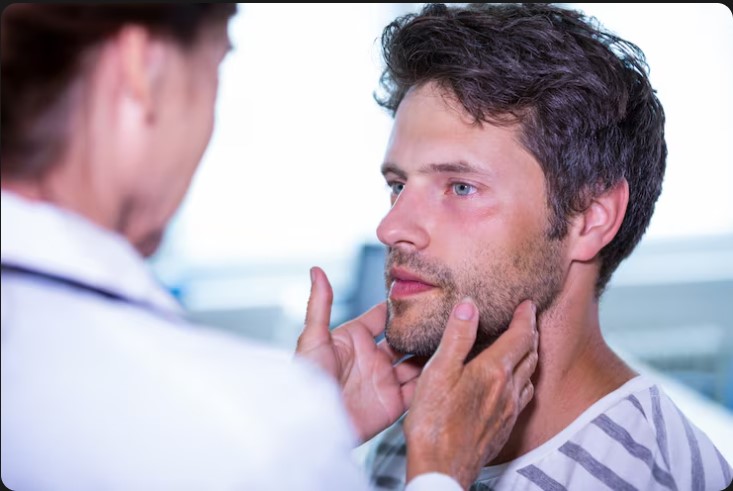
Best Salivary Gland Tumor Treatment in Kharghar
Salivary gland tumors, though relatively uncommon, require expert evaluation and precise surgical management to ensure complete recovery and a good quality of life. If you or a loved one has been diagnosed with a salivary gland growth, finding the best salivary gland tumor treatment in Kharghar is the most important step you can take. Dr. Rathan Shetty, a Senior Consultant Head & Neck Surgical Oncologist in Navi Mumbai, brings over a decade of specialized experience to the diagnosis, evaluation, and surgical management of salivary gland tumors — both benign and malignant.
Located conveniently for patients across Kharghar, Panvel, Belapur, and greater Navi Mumbai, Dr. Shetty's practice is built on three pillars: oncologic precision, functional preservation, and patient-centered care. Every treatment plan is designed not just to remove the tumor, but to protect critical structures like the facial nerve, restore normal function, and support long-term wellbeing.
What Are Salivary Gland Tumors?
The human body has three major pairs of salivary glands — the parotid (located in front of each ear), the submandibular (beneath the jawline), and the sublingual (under the tongue) — along with hundreds of minor salivary glands lining the mouth and throat. These glands produce saliva, which is essential for digestion and oral health.
Salivary gland tumors arise when cells within these glands begin to divide abnormally, forming a lump or mass. Notably, studies show that approximately 60–70% of salivary gland tumors are benign (non-cancerous), with the most common type being pleomorphic adenoma. Malignant (cancerous) salivary gland tumors include mucoepidermoid carcinoma, adenoid cystic carcinoma, and acinic cell carcinoma, among others.
The parotid gland accounts for nearly 60% of all salivary gland tumors, making the parotid region the most frequent site requiring surgical attention. However, tumors originating in the submandibular glands and minor salivary glands carry a higher risk of malignancy proportionally, reinforcing the need for thorough specialist evaluation.
Most salivary gland tumors are benign and slow-growing
Early diagnosis significantly improves treatment outcomes
Parotid gland is the most common site of tumor formation
Malignant tumors require specialized surgical and oncologic care
Causes and Risk Factors
The precise cause of salivary gland tumors is not always identifiable. However, several contributing factors are well-recognized:
- Radiation exposure: Individuals who have previously undergone radiation therapy to the head and neck — particularly for other cancers — have a documented higher risk of developing salivary gland tumors years later.
- Occupational chemical exposure: Prolonged exposure to certain industrial substances, such as rubber manufacturing compounds, asbestos dust, and nickel alloys, may increase susceptibility.
- Age and gender: Salivary gland tumors are more commonly diagnosed in adults over 40, though they can affect younger patients as well. Certain subtypes show a slight gender predilection.
- Genetic mutations: Some cases involve genetic changes in salivary gland cells that disrupt the normal cell cycle and trigger uncontrolled growth.
- Viral infections: Epstein-Barr virus (EBV) has been associated with certain malignant salivary gland tumor subtypes, though this connection is still under research.
It's important to note that having one or more risk factors does not necessarily mean a tumor will develop. Equally, many patients diagnosed with salivary gland tumors have no identifiable risk factor at all. This is why regular clinical evaluation is invaluable for early detection.
Recognizing the Symptoms
One of the most challenging aspects of salivary gland tumors is that they often develop slowly and silently. In the early stages, there may be no pain at all. Recognizing the warning signs and seeking prompt evaluation can make a significant difference in treatment options and outcomes.
Common Symptoms Include:
- A painless lump or swelling near the jaw, cheek, ear, or beneath the chin
- Gradual increase in the size of the swelling over weeks or months
- Difficulty swallowing (dysphagia) or chewing
- Restricted mouth opening (trismus)
- Facial weakness, numbness, or tingling — particularly concerning as it may indicate nerve involvement
- Persistent pain in the face, ear, or neck that does not resolve
- Changes in skin texture or fixity of the lump to surrounding tissues
Facial nerve involvement — such as weakness or paralysis on one side of the face — is a red flag for malignancy and warrants urgent evaluation by a specialist. If you are experiencing any of these symptoms and are looking for the best salivary gland tumor treatment in Kharghar, scheduling a consultation with Dr. Rathan Shetty without delay is strongly advised.
Diagnosis: A Precise, Multi-Step Process
Accurate diagnosis is the foundation of effective treatment. Dr. Rathan Shetty employs a comprehensive diagnostic approach tailored to each patient's presentation.
Clinical Examination
The initial consultation involves a thorough physical examination of the head and neck, assessment of the mass (size, consistency, mobility, tenderness), and evaluation of facial nerve function. A detailed medical history and risk factor review are also conducted.
Imaging Studies
- Ultrasound: Useful as a first-line investigation to characterize the mass and guide biopsy procedures.
- MRI (Magnetic Resonance Imaging): Provides excellent soft tissue detail, helping delineate the tumor's relationship to the facial nerve and deep structures.
- CT Scan: Helpful in assessing bony involvement and lymph node status, particularly in malignant cases.
- PET-CT Scan: Used when systemic spread needs to be evaluated in confirmed or suspected malignancy.
Fine-Needle Aspiration Cytology (FNAC) / Core Biopsy
A needle biopsy is typically performed under ultrasound guidance to obtain cellular material for pathological analysis. This is a minimally uncomfortable, outpatient procedure that helps confirm whether the tumor is benign or malignant and guides further treatment decisions.
Treatment Options for Salivary Gland Tumors
Delivering the best salivary gland tumor treatment in Kharghar requires a highly individualized approach. Dr. Rathan Shetty designs each treatment plan based on the tumor's type, location, size, stage, and the patient's overall health and functional priorities.
1. Surgical Treatment
Surgery remains the cornerstone of salivary gland tumor management. The specific procedure depends on the gland involved and the extent of the tumor:
- Superficial Parotidectomy: Removal of the superficial lobe of the parotid gland, performed for most benign parotid tumors. The facial nerve is meticulously identified and preserved throughout the procedure.
- Total Parotidectomy: Removal of the entire parotid gland, indicated for larger or malignant tumors. Facial nerve preservation is prioritized unless the nerve is directly invaded by cancer.
- Submandibular Gland Excision: Surgical removal of the submandibular gland for tumors arising in this location.
- Neck Dissection: When malignant tumors have spread or are likely to spread to lymph nodes, a selective or comprehensive neck dissection is performed simultaneously to remove affected nodes and improve oncologic outcomes.
- Minor Salivary Gland Tumor Excision: Tumors of minor salivary glands in the palate, lip, or throat are excised with appropriate surgical margins.
2. Radiation Therapy
Postoperative radiation therapy is recommended for malignant salivary gland tumors — particularly high-grade cancers, tumors with positive margins, perineural invasion, or lymph node involvement. It targets residual microscopic cancer cells to reduce the risk of local recurrence.
3. Chemotherapy
Chemotherapy is generally reserved for advanced, recurrent, or metastatic salivary gland cancers. It may be used as a radiosensitizer (alongside radiation) or systemically for widespread disease.
4. Targeted Therapy and Immunotherapy
Emerging treatment options for specific salivary gland cancer subtypes include targeted molecular therapies and immunotherapy agents. These treatments are used in selected cases, particularly for cancers that express specific molecular markers or for those that have not responded to conventional treatments.
Minimally Invasive and Robotic Surgical Approaches
Dr. Rathan Shetty is skilled in minimally invasive surgical techniques for appropriate salivary gland tumor cases. These approaches, including endoscopic-assisted surgery and robotic-assisted procedures, offer several patient benefits:
- Smaller, less visible incisions with improved cosmetic outcomes
- Reduced blood loss and lower risk of post-operative complications
- Shorter hospital stays and faster return to normal activities
- High precision in dissection near critical structures such as the facial nerve
Not every patient is a candidate for minimally invasive surgery — suitability depends on tumor size, location, and pathology. During your consultation, Dr. Shetty will explain all available surgical options and recommend the approach best suited to your individual case.
Facial Nerve Preservation: A Critical Priority
One of the most significant concerns in parotid gland surgery is protecting the facial nerve (VII cranial nerve), which runs through the parotid gland and controls all facial movement. Damage to this nerve can result in facial paralysis or weakness — a major functional and aesthetic complication.
Dr. Rathan Shetty's surgical training and extensive operative experience in head and neck oncology allow him to identify, trace, and protect the facial nerve with exceptional precision — even in complex re-operative or advanced cases where scarring or tumor proximity makes nerve identification challenging. Facial nerve monitoring technology is utilized during surgery for added safety.
Recovery and Post-Treatment Care
Recovery after salivary gland surgery is generally well-tolerated. Most patients are discharged within 1–3 days for standard procedures, with a return to normal activity within 2–4 weeks. Patients who require radiation therapy will have a longer overall treatment period.
Post-operative care includes:
- Wound care and drain management instructions
- Dietary modifications during early recovery
- Facial exercises if there is any temporary nerve weakness
- Regular follow-up appointments for wound review and surveillance
- Long-term monitoring for tumor recurrence — typically every 3–6 months in the first two years
Dr. Shetty's team provides continuous support throughout the recovery journey, ensuring patients feel informed, comfortable, and confident at every stage.
Why Choose Dr. Rathan Shetty for Salivary Gland Tumor Treatment in Kharghar?
Patients across Navi Mumbai, Kharghar, Panvel, and beyond choose Dr. Rathan Shetty for several compelling reasons:
Super-Specialist Expertise
MCh-trained Head & Neck Surgical Oncologist with dedicated focus on salivary gland, thyroid, and head & neck cancers.
Advanced Diagnostics
Access to state-of-the-art imaging, ultrasound-guided biopsy, and intraoperative nerve monitoring for accurate, safe management.
Precision Surgery
Expert in facial nerve-preserving parotidectomy, neck dissection, and minimally invasive salivary gland procedures.
Patient-Centred Care
Individualized treatment plans, transparent communication, and ongoing support from diagnosis through long-term follow-up.
If you are searching for the best salivary gland tumor treatment in Kharghar, Dr. Rathan Shetty offers the combination of specialized skill, advanced technology, and compassionate care needed for the best possible outcome. To schedule a consultation, contact us today.
Frequently Asked Questions (FAQs)
Below are answers to the most common questions patients ask about salivary gland tumor treatment:
The best treatment depends on the type, size, and stage of the tumor. Surgical removal is the primary approach for both benign and malignant salivary gland tumors. For malignant cases, surgery is often followed by radiation therapy or chemotherapy. Dr. Rathan Shetty specializes in comprehensive, personalized treatment plans to ensure the best possible outcomes for patients seeking salivary gland tumor care in Kharghar and Navi Mumbai.
No. Approximately 60–70% of salivary gland tumors are benign and non-cancerous. The most common benign type is pleomorphic adenoma. However, even benign tumors should be evaluated by a specialist, as they can grow, cause discomfort, and in rare cases undergo malignant transformation if left untreated. A proper diagnosis through imaging and biopsy is essential.
You should consult a Head and Neck Surgical Oncologist for an expert evaluation. Dr. Rathan Shetty, a Senior Consultant Head & Neck Surgical Oncologist based in Navi Mumbai, is widely recognized as a leading specialist for salivary gland tumor diagnosis and surgery, serving patients from Kharghar, Panvel, Belapur, and surrounding areas.
Common symptoms include a painless swelling or lump near the jaw, cheek, or below the ear; difficulty swallowing or opening the mouth; facial numbness or weakness; and persistent pain in the face or neck. Facial nerve weakness is a particularly important warning sign for malignancy. If you experience any of these symptoms, seek evaluation promptly.
Most patients recover within 2–4 weeks after surgery. Recovery time varies based on the complexity of the procedure and whether additional treatments such as radiation therapy are needed. Regular follow-up appointments are an essential part of the recovery process to monitor healing and detect any signs of recurrence at an early stage.
Yes, recurrence is possible — particularly with malignant tumors or benign tumors like pleomorphic adenoma that were not completely excised. This is why long-term follow-up surveillance is a critical part of post-treatment care. Dr. Rathan Shetty's practice includes a structured follow-up program to monitor patients and detect any recurrence at the earliest possible stage.
In most cases, surgery is the recommended and most effective treatment for salivary gland tumors. It achieves both definitive treatment and accurate histopathological diagnosis. Non-surgical options such as radiation may be used in combination with surgery for malignant cases, or as an alternative in rare situations where surgery is not possible. Dr. Shetty will evaluate your case thoroughly and recommend the most appropriate approach.